

 Facebook
 X
X
 Pinterest
 Copy Link
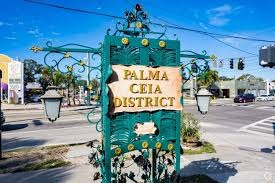
1. The State of the Palma Ceia Real Estate Market
Few neighborhoods in Tampa carry the reputation, stability, and long-term value appreciation of Palma Ceia. For decades, this highly desirable community has attracted professionals, executives, business owners, and families seeking a combination of historic character, premier schools, walkability, and proximity to downtown Tampa.
What makes Palma Ceia particularly unique is its limited supply of housing opportunities. Unlike newer suburban developments where inventory can expand rapidly, Palma Ceia’s established boundaries and mature development pattern create a natural scarcity that supports property values over time.
The neighborhood continues to benefit from strong demand driven by several factors:
• Access to top-rated schools, including Plant High School
• Close proximity to downtown Tampa, Westshore, and Tampa International Airport
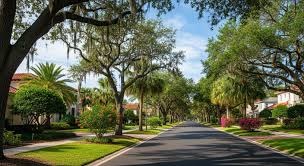
• Mature tree-lined streets and distinctive architectural character
• Strong community identity and neighborhood pride
• Continued investment throughout South Tampa
Historically, Palma Ceia has demonstrated remarkable resilience during changing market cycles. While all real estate markets experience periods of adjustment, premium neighborhoods with limited inventory and enduring desirability tend to recover more quickly and maintain stronger long-term value than many surrounding areas.
Today’s buyers are often willing to pay a premium for well-located properties that offer convenience, lifestyle, and future appreciation potential. As a result, homeowners who have owned property in Palma Ceia for decades may be sitting on significant accumulated equity.
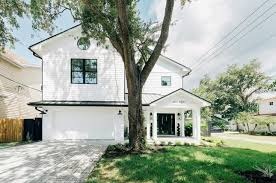
2. Strategic Insights for Retiring Homeowners & Landlords
For many long-term owners, selling a property in Palma Ceia is about far more than a real estate transaction. It often represents a major life transition.
Perhaps the family home that once bustled with children and holiday gatherings now feels larger than necessary. Perhaps maintaining the property has become more time-consuming than enjoyable. Or perhaps retirement goals now include travel, spending more time with grandchildren, relocating closer to family, or simplifying day-to-day responsibilities.
Commercial property owners face similar considerations. Many local landlords who have owned office buildings, retail properties, or mixed-use assets for decades find themselves asking whether they still want the responsibilities associated with property management, tenant relations, maintenance, insurance, and capital improvements.
The most successful transitions begin with thoughtful planning rather than rushed decision-making.
Important considerations include:
• Understanding the property’s current market value
• Evaluating potential capital gains implications
• Assessing deferred maintenance items that could affect pricing
• Determining the optimal timing for entering the market
• Exploring replacement housing or retirement living options
• Coordinating real estate decisions with financial and estate planning goals
Many owners are surprised to learn that small strategic improvements and proper positioning can significantly impact final sale proceeds. A professional valuation tailored specifically to Palma Ceia’s micro-market conditions often provides valuable clarity before any decisions are made.
3. Navigating the Downsizing or Liquidation Process
Whether selling a long-held residence or liquidating commercial assets, a structured approach helps reduce uncertainty and maximize results.
Step 1: Establish a Clear Transition Plan
Begin by identifying your long-term goals. Are you downsizing locally? Relocating? Reducing management responsibilities? Creating retirement income? The answers help shape every subsequent decision.
Step 2: Obtain a Comprehensive Property Assessment
A detailed market evaluation should go beyond generic online estimates. In Palma Ceia, value can vary significantly based on location, school zoning, lot dimensions, redevelopment potential, architectural style, and property condition.
Step 3: Evaluate Property Readiness
Not every property requires major renovations before sale. However, identifying strategic improvements can increase buyer interest and strengthen negotiating position.
This may include:
• Deferred maintenance repairs
• Landscaping enhancements
• Interior updates
• Professional staging
• Commercial property lease analysis
• Tenant communication planning
Step 4: Create a Customized Marketing Strategy
Luxury and high-value properties require targeted exposure. The marketing approach should be tailored to the most likely buyer profile, whether that involves families, professionals, investors, developers, or owner-users.
Step 5: Coordinate the Transition
The most overlooked part of the process is often the transition itself. A well-designed real estate blueprint should address not only pricing and marketing but also moving timelines, closing coordination, tax planning discussions, and contingency strategies.
The objective is not simply to sell a property. The objective is to maximize value while minimizing disruption during an important life transition.

4. Why Local Expertise Matters
Palma Ceia is not a market that can be fully understood through broad Tampa statistics alone.
Property values can change dramatically from one block to the next based on school boundaries, lot dimensions, redevelopment opportunities, flood zone considerations, historic influences, zoning regulations, and buyer demand patterns. Commercial property owners face additional considerations involving tenant profiles, future land use, redevelopment potential, and investment market conditions.
Navigating these nuances requires local knowledge, market experience, and an understanding of the motivations driving both buyers and sellers in today’s environment.
For long-term property owners approaching retirement, the goal should be more than simply achieving a successful sale. It should be creating a thoughtful transition strategy that protects decades of accumulated equity while positioning you confidently for the next chapter.
The right guidance can transform what often feels like an overwhelming process into a clear, organized plan designed around your personal, financial, and retirement objectives.
Be sure to click the link to Neighborhood News to get monthly updates on your desired neighborhood.


